


Choosing Between Online vs. In-Person Driver's Ed

Drivers Ed That Fits Your Life
Self-paced, online, and ready when you are. Learn to drive on your own schedule.
Quick answers:
- Both formats satisfy your state's requirements as long as the provider is state-approved, so the choice is about fit, not legitimacy.
- Online drivers ed wins on flexibility, pace, and usually cost; in-person classes offer fixed structure and face-to-face instruction.
- For most busy students and working adults, the self-paced online format is the more practical pick.
Once you've decided to take drivers ed, the next question is how: online or in a classroom. Both get you to the same finish line, a completion certificate that counts toward your license, so this isn't about which is "real." It's about which fits your schedule, your budget, and the way you actually learn. Here's an honest look at both.
Do Both Formats Count?
Yes, If the Provider Is State-Approved
The only thing that determines whether your course counts is state approval, not format. An approved online course and an approved classroom course satisfy the same requirement equally, a standard reinforced by driver-safety guidance from the National Highway Traffic Safety Administration. So before you weigh anything else, confirm the provider is approved in your state, then choose the format that suits you.
What's Great About Online Drivers Ed?
Flexibility, Pace, and Cost
Online courses are self-paced, so you fit them around school, work, or whatever else fills your week. There's no commute and no fixed class time, you can study at 6 a.m. or 11 p.m., on a phone or a laptop, and pick up exactly where you left off. Online courses are also frequently more affordable than classroom programs. For self-directed learners, it's hard to beat.
What's Great About In-Person Drivers Ed?
Structure and a Live Instructor
A classroom course gives you a set schedule, which genuinely helps students who struggle to stay on track alone. You can ask an instructor questions in real time, hear other students' questions you hadn't thought of, and learn in a focused environment away from home distractions. If accountability is your weak spot, that fixed structure can be worth a lot.
How Do They Stack Up?
Side by Side
The practical differences come down to a handful of factors:
- Flexibility: online lets you study anytime; in-person follows a set schedule.
- Pace: online is self-paced; in-person moves at the class's speed.
- Cost: online is often cheaper; classroom programs can cost more.
- Instructor access: in-person offers real-time questions; online relies on support channels.
- Accountability: in-person builds it in; online asks you to bring your own.
Freedom Starts With a Course That Respects Your Time
Self-paced, fully online, state-approved. Your license, your way forward.
Which One Is Right for You?
Match It to How You Learn
- Go online if you have a packed or unpredictable schedule, like learning at your own pace, want to save money, or would rather skip the commute.
- Go in-person if you focus better on a set schedule, want to ask an instructor questions face to face, or know you'll stay more accountable in a classroom.
- Either way, confirm the provider is state-approved before you enroll.
Does the Format Change Anything After the Course?
No, the Next Steps Are the Same
Whichever format you choose, what comes next is identical: you take any required knowledge exam, pass your vision test, and apply for your permit or license. The format only changes how you complete the education, not the steps that follow. If you want to prep for the exam, our driving test practice questions can help, and our guide to commonly missed test questions covers the tricky ones.
What Can Slow Down Either Format?
- A non-approved provider. The course only counts if it's state-approved, so verify first.
- Scheduling conflicts (in-person). Missed classes can delay completion.
- Procrastination (online). Self-pacing only works if you actually press play.
- Choosing on price alone. The cheapest option isn't worth much if the format doesn't fit you.
- Skipping exam prep. Both formats end with a knowledge test you'll want to be ready for.
How Does This Vary by State?
Most states accept both online and classroom driver education, and online has become the popular choice for its convenience and lower cost. Approval standards apply equally to both, so the decision is purely about personal fit. Requirements and course hours do vary by state, so check your state's rules, as our state guides like online versus in-person drivers ed in Florida lay out.
Learn the Way That Fits You
If flexibility and value matter to you, online drivers ed is hard to beat, and you can start today. I Drive Safely's online drivers ed is state-approved, 100% online, and self-paced, so you learn on your schedule and at your speed. See the drivers ed course to get started.

How to Take California Traffic School Online: Step-by-Step
If you need to take California traffic school online because of a driving violation, consider I Drive Safely's DMV-approved course.

Comparing Online vs. In-Person Driver's Ed in Florida
Deciding between online or in-person Florida TLSAE? Compare cost, convenience, and speed to choose the best way to earn your learner’s permit.
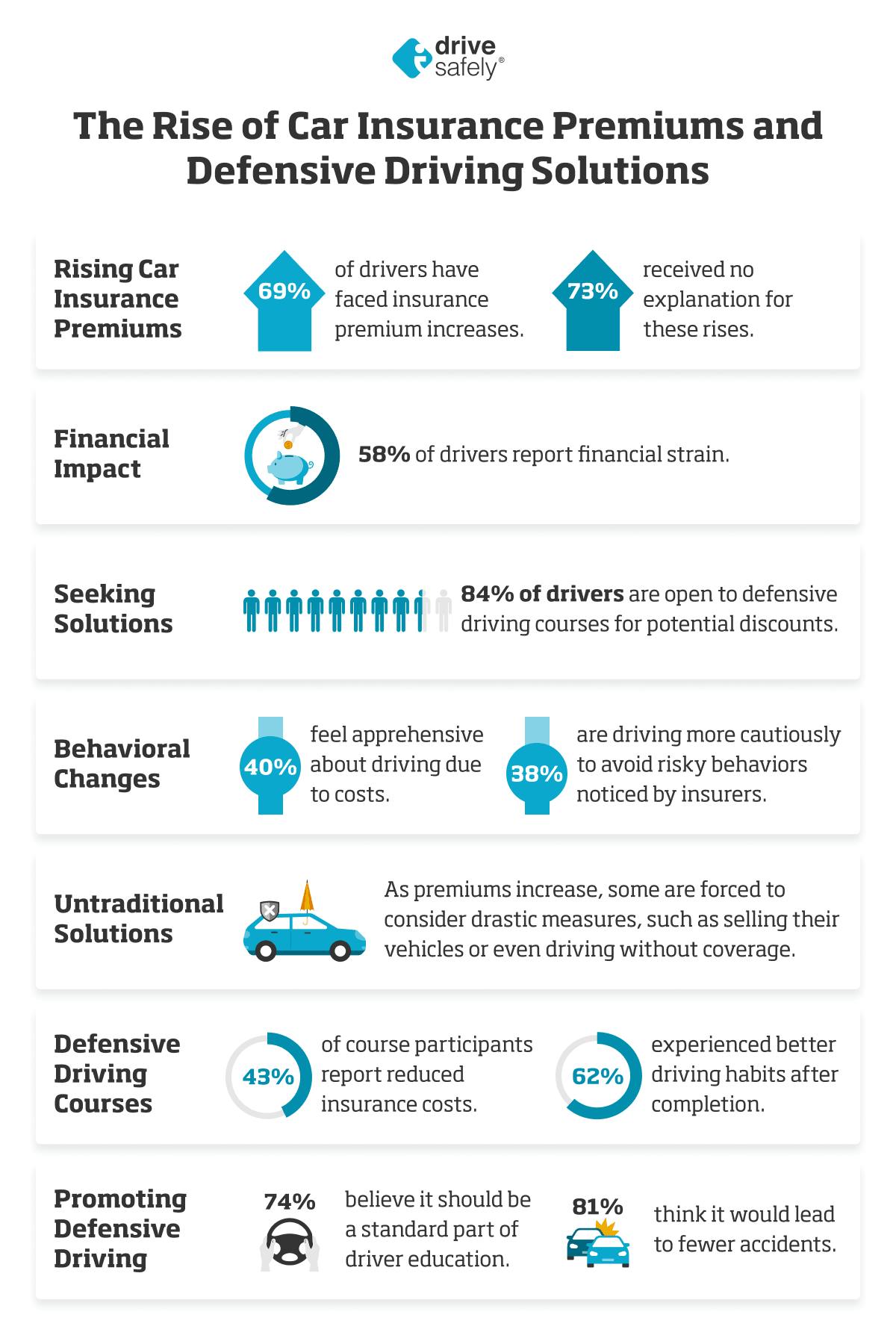
The Rise of Car Insurance Premiums and How Defensive Driving Courses Can Help
Car insurance hikes are causing financial stress for drivers across the U.S. Learn how a defensive driving course can help lower rates.
Looking for more driving resources?
Enter your email for deals, study materials, car maintenance tips, insurance savings, and more.