


9 Things That Make a Road More Dangerous
While driving can be dangerous even on good roads, there are some situations that make it even riskier. Here's a look at nine things that make roads more dangerous. Plus, find tips on staying safe in those situations.
What Makes a Road Dangerous?
Here are nine culprits that can make a trip behind the wheel more dangerous than you bargained for.
1. Sharp Turns
When a road comes to a sharp turn, it requires vehicles to slow down to a safe speed to make the turn without skidding. Drivers, especially new ones, can have difficulty gauging the correct speed which can lead to accidents. Further, if the road conditions aren't good, it can make spin-outs even more likely.
2. Missing or Confusing Signs
Roads also become dangerous when the traffic signsTrending Traffic Signs Every Driver Must Know Defensive Driving meant to keep drivers informed are confusing or missing. For example, if a stop sign is hidden by a tree, a driver may continue through an intersection without slowing down which could cause a serious accident.
3. Uncleared Ice and Snow
Bad weatherTrending Driving Bad Weather Conditions Defensive Driving can lead to uncleared ice and snow which makes the roads slippery and dangerous. When tires lose traction on the ice, they begin to slide.
4. Faded or Poorly Painted Lines
Lines on the road help drivers to know where to drive and when to pass. However, over time, they can fade, making them hard to see. They may also be painted incorrectly or covered by debris or snow. When not visible, the road becomes more dangerous, as drivers can more easily miscalculate their designated driving spaces.
5. Drop-Offs
Have you ever been driving up to the mountains on a curvy road along a steep cliff that makes you a bit nervous? It should. Roads with steep drop-offs definitely increase the level of danger. If something goes wrong, you run the risk of going over the edge rather than just off the road into some brush.
6. Missing Barriers and Guardrails
Driving along steep drop-offs is increasingly dangerous when barriers and guardrails are missing or damaged. While they can prevent you from going over when properly in place, if they're compromised, you're at greater risk.
7. Improperly Graded Roads
Road grading involves using a grader to restore the driving surface of a road by smoothing out irregularities. Improper grading can leave roads in a state of disrepair, can cause water pooling, or can create an uneven surface that disturbs normal driving.
8. Potholes
PotholesTrending Safe Driving Tips Defensive Driving are depressions in the road's surface where weather and traffic have caused the removal of broken pieces of pavement. If you hit one while driving, it can damage your tires, throw off your wheel alignment, damage your suspension, and more. Worse, it can cause an accident. Approximately 3.2 millionPress Releases Pothole Damage Costs U S Drivers 3 Billion Annually Blog.wa.aaa.com drivers suffer pothole damage each year, which ends up costing a total of about $3 billion in damages.
9. Dense Traffic at High Speeds
Last but not least, the 10 most dangerous roads in the U.S. are all highways, according to the National Highway Traffic Safety AdministrationNhtsa.gov Files Documents Traffic_safety_during_covid19_01062021_0.pdf?_hsenc=p2ANqtz 9B07 6JStIBAc7PMq_kC4oPplAAGW1djhevr5_mz_IotXeJj0N5DiRD1iZAuiHmVX__Kz5 SitesNhtsa.gov Files Documents Traffic_safety_during_covid19_01062021_0.pdf?_hsenc=p2ANqtz 9B07 6JStIBAc7PMq_kC4oPplAAGW1djhevr5_mz_IotXeJj0N5DiRD1iZAuiHmVX__Kz5 Sites. While they may be spacious and decently kept, they are home to high amounts of high-speed traffic each day, making them the most likely places to die from a car accident.
Tips on How to Handle Dangerous Roads
Being that you will likely find yourself driving on a dangerous road sooner or later, here are some tips to keep in mind.
Wear your seat belt: Always wear your seat belt when you're getting behind the wheel.
Drive at safe speeds: Don't speedTrending Save Lives Not Time Defensive Driving, and ensure you adjust your speed based on the current conditions and situation. You should slow down when driving on curvy roads, poorly maintained roads, or roads with steep drop-offs.
Drive sober: Nearly 1/3Nhtsa.gov Files Documents Traffic_safety_during_covid19_01062021_0.pdf?_hsenc=p2ANqtz 9B07 6JStIBAc7PMq_kC4oPplAAGW1djhevr5_mz_IotXeJj0N5DiRD1iZAuiHmVX__Kz5 SitesNhtsa.gov Files Documents Traffic_safety_during_covid19_01062021_0.pdf?_hsenc=p2ANqtz 9B07 6JStIBAc7PMq_kC4oPplAAGW1djhevr5_mz_IotXeJj0N5DiRD1iZAuiHmVX__Kz5 Sites of fatally injured drivers had alcohol in their systems, while 26% had cannabinoids and 13% had opioids. While you may feel confident you can drive while buzzed, it's best to drive soberTrending Yes Buzzed Driving Big Deal Defensive Driving. You never know when you may unexpectedly end up in a high-risk situation.
Know how to respond: It's important to have defensive driving skills Trending What Voluntary Defensive Driving Defensive Drivingso you know how to react in different situations, such as when ice is on the road.
Be extra alert: If you encounter a dangerous situation, take extra precautions to ensure you make it to your destination safely.
Plan ahead: Be sure to check the weather and research the roads to help prevent unexpectedly finding yourself in a dangerous situation.
I Drive Safely Helps You Stay Safe Behind the Wheel
Looking to brush up on your driving knowledge or help a family member do so? I Drive Safely provides online defensive driving courses that can help to prepare you for a variety of situations. Plus, this course may help you save on your insurance costs and can be used in some situations to keep a ticket off your record. Want to learn more?
Check out IDriveSafely's online defensive driving course!Defensive Driving
Take Your Online Drivers Ed Course Today
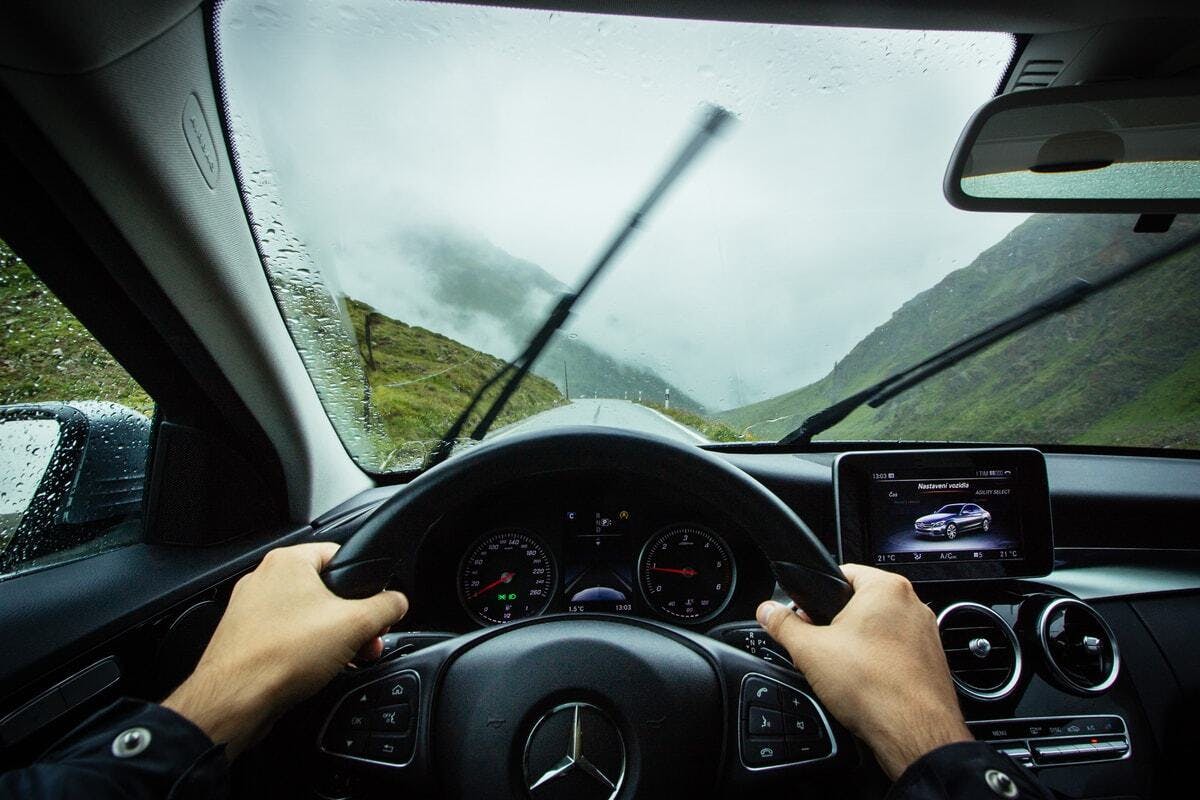
Stay Safe Behind the Wheel in Adverse Weather Conditions
When weather conditions for driving get tough, do you know what to do? Follow these safe driving tips to get through the rain, ice, snow and fog in one piece.

10 Things That Might Be More Dangerous Than Texting While Driving
The dangers of using a phone while driving are well known by now, but there are everyday habits more dangerous than texting while driving.

Drugged, Distracted Driving & Holiday Travel: A Dangerous Mix
Keep these holiday travel safety tips in mind as you hit the road with your family—and among millions of other drivers.
Looking for more driving resources?
Enter your email for deals, study materials, car maintenance tips, insurance savings, and more.