


A Winter Car Emergency Kit Costs Less Than You Think
Do you live in or plan on traveling to snowy parts of the country this winter? Unless you drive a snow plow… your regular emergency kits may not be enough to get you through a touch situation.
Wool or Fleece Blankets
If you’re stranded, you’ll want to make sure you have a blanket or two in the car to help keep you and your passengers warm until help arrives. No need to go out and buy a brand-new blanket just to throw it in the back of your car – if you’re replacing your linens this winter, hang on to your old blankets and add them to your winter car kit. Thrift stores are also an excellent place to buy used blankets.
A Flashlight, Batteries, and Road Flares
An inexpensive flashlight will not only provide light for those stuck in the car, it can be used to signal others and let them know that you’re in need of assistance. If it’s been a while since you’ve replaced the batteries in your flashlight, swap them out before you hit the road, and make sure that you have extra batteries with you. Also make sure that you have a couple of road flares with you, to provide additional signaling capability.
Food and Water for Emergencies
Make sure that you have some food and water with you. If you’re taking a long road trip you’ll probably have some snacks with you; bring some extra granola bars just in case. Water is really important; you can become dehydrated in the winter time02 27 Health Upwave Dehydration 2014 , even though it’s cold outside – and because of the temperatures you may not notice it until you’re actually feeling the physical effects. Bring more water than you think you’ll need.
Of course, pre-trip preparation is the cheapest part of any car emergency kit. Check back here next week for our list of things you’ll want to do to make your winter travel safer before you hit the road this holiday season.
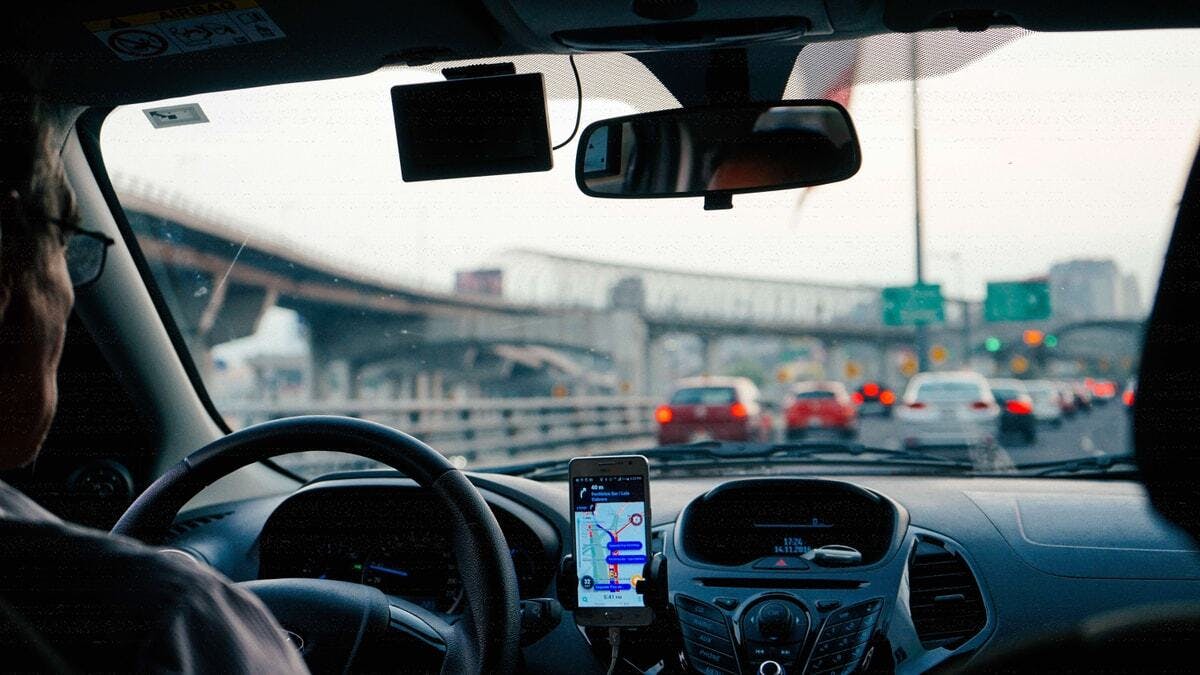
7 Surprising Signs of Aggressive Driving
What is the difference between being an assertive and aggressive driver? It's not simply to road rage or not to road rage. Not knowing can increase your insurance costs and possibly endanger lives. Are you constantly over the speed limit? Does yellow mean go faster? There are over 5 million car accidents annually. Know the facts. Drive safely. Enjoy the ride.

Tips To Pass Your DMV Behind-the-Wheel Test
Here are the necessary things you need to know to pass your DMV behind-the-wheel drivers license test.

5 Crazy Cases of Road Rage
We all get heated behind the wheel sometimes, but some drivers have let their anger turn dangerous. Here are five of the craziest road rage incidents we could find.
Looking for more driving resources?
Enter your email for deals, study materials, car maintenance tips, insurance savings, and more.