


12 Tips To Pass Your DMV Behind-the-Wheel Test
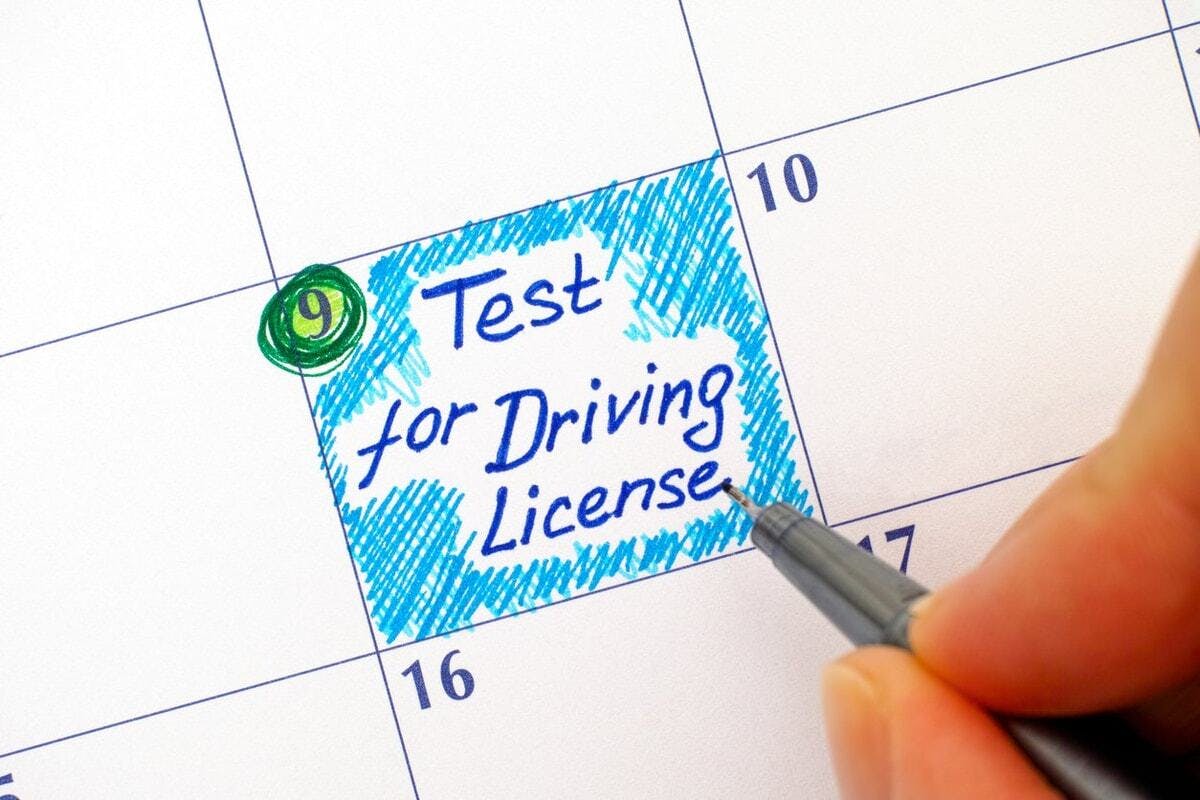
It’s finally happened. You’ve studied the rules of the road and gotten your driving permit. Next came the behind-the-wheel driving course, and now you’ve had a chance to practice driving a car for real with an adult in the car, of course.
But are you really ready to pass your DMV behind-the-wheel test? We’re not going to lie. The behind-the-wheel test can be intimidating, especially for first-timers that don’t know what to expect.
Luckily, many others have gone down this road before you. Here are 12 tips from other drivers that can help you walk away from the DMV with a license in hand.
12 Tips to Pass Your DMV Road Test
1. Make an Appointment With the DMV
There is a reason why the DMV has the reputation that it does. It’s a busy place that fulfills the many needs and requirements of drivers throughout your city. In other words, you’ll want to make an appointment well in advance.
You should be able to do schedule an appointment for the driving test online or by calling the local DMV office. Getting an exact time and day to come in definitely beats waiting in a line for hours.
2. Have Your Documentation and Fees Ready
You can’t just roll up to the DMV and start the behind-the-wheel test. The DMV is going to want to verify a few things first. Make sure you have the following items in hand for your appointment:
Your driving permit
Proof of insurance and car registration
Your certificate from your behind-the-wheel training course
A log of practice hours signed by your parents
Cash, credit or debit card for fees you might need to pay
Check the state DMV website ahead of time for the exact items you’ll need and make a list so you don’t forget.
3. Make Sure Your Car is in Good Working Order
Prior to your test, the DMV instructor will inspect your car to make sure it’s in good working order. If not, you will not be allowed to use it for the real deal testing. Even if you pass the DMV instructor inspection, you need to maintain the vehicle so that it’s in the same condition on the day you take the behind-the-wheel test.
4. Make the Proper Adjustments
The test is actually beginning before you realize it. Testing starts the second you get in the car, not when you crank up the engine. Once inside the car with the DMV instructor, the first thing you’ll need to do is adjust your mirrors and buckle your seatbelt before you start the engine.
That will get the test off to a great start.
5. Obey All Traffic Laws
Tests can vary from state to state, but one thing is consistent everywhere - failing to follow all the traffic laws leads to an F on the test. Your state’s traffic laws are outlined in I Drive Safely’s online driver’s education courseDrivers Ed. You can also do a quick review with a One-Hour Driver Preparation coursePractice Test available during the checkout process when you purchase a practice test.
6. Drive at a Speed That’s Safe for the Conditions
The number on the speed limit sign is the maximum speed you are allowed to go. If there is traffic or bad weather, slow down a bit. In normal conditions, maintain a speed that is within three- to five-miles-per-hour of the limit and you should be fine.
One word of caution - don’t go too slow either. You can actually fail due to driving too slowly.
7. Brake Safely
Brake smoothly at signs and traffic lights and come to a complete stop behind the white limit line. You should still be able to see the line in front of you. Wait at least three seconds before proceeding. Look first to the left, right, then left again to make sure it’s safe to go. Other drivers might not remember how to give the right-of-way like you do!
8. Constantly Scan the Road
Defensive driving is ideal. That means you are heads-up and looking for potential problems ahead on the road. Don’t think the DMV examiner won’t notice. The examiner will be watching to make sure you are fully aware of your surroundings and reacting appropriately.
9. When It Comes to Changing Lanes, Remember SMOG
Signal - Always use your signal to communicate with other drivers.
Mirrors - Check your mirrors to make sure there is enough space.
Over - Look over your shoulder to check your blind spot.
Go - Go ahead and change lanes if it’s clear.
10. Know Your Advanced Maneuvers
Most drivers will be tested with an advanced maneuver such as a three-point-turn or parallel parking. Which advanced maneuvers are included in the behind-the-wheel exam depends on your state.
Many new drivers aren’t psyched about advanced maneuvers. They can be intimidating if you don’t know what you’re doing. But that’s why there’s behind-the-wheel training and parents that can nervously guide you in a completely empty parking lot. Make sure you’ve practiced enough to nail the required advanced maneuver on your first attempt while practicing.
11. Pay Attention During Your Score Review
Once the test is complete the instructor will review your score and go over it with you. They’ll point out any areas for improvement as well as what you aced.
If you don’t pass the driving test on the first attempt the review lets you know exactly what you need to work on. And even if you do pass, it’s still good to know what skills are your strengths and which ones could be improved.
12. If You Don’t Pass, Don’t Worry
No one wants to walk away from the DMV driving test empty-handed, but it happens to a lot of people. Common ways to fail include:
Performing unsafe lane changes
Going over the speed limit
Hitting another vehicle or object during parking maneuvers
Not coming to a complete stop at a stop sign or red light
Distracted driving (it’s more than just texting)
There’s no need to freak if you don’t pass the first time. You’ll be able to try again, possibly even the next day. But it’s a good idea to give yourself a little time to decompress and practice before taking the test again.
To view tutorial videos on how to practice and prepare for your behind-the-wheel DMV test, visit I Drive Safely’s YouTube channelIdrivesafely User.
*This article was updated on 7/7/2020
0Want To Clean Your Driving Record?
7 Surprising Signs of Aggressive Driving
What is the difference between being an assertive and aggressive driver? It's not simply to road rage or not to road rage. Not knowing can increase your insurance costs and possibly endanger lives. Are you constantly over the speed limit? Does yellow mean go faster? There are over 5 million car accidents annually. Know the facts. Drive safely. Enjoy the ride.

Tips To Pass Your DMV Behind-the-Wheel Test
Here are the necessary things you need to know to pass your DMV behind-the-wheel drivers license test.

5 Crazy Cases of Road Rage
We all get heated behind the wheel sometimes, but some drivers have let their anger turn dangerous. Here are five of the craziest road rage incidents we could find.
Looking for more driving resources?
Enter your email for deals, study materials, car maintenance tips, insurance savings, and more.